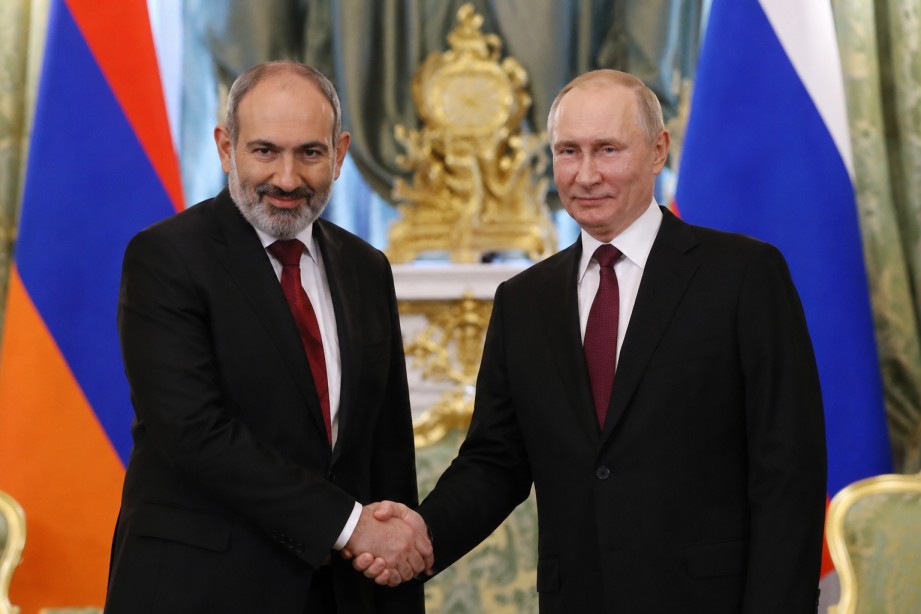
Armenian Prime Minister Nikol Pashinyan has embarked on his inaugural visit to Russia following his re-election, marking a significant diplomatic gesture as he attends the Innoprom industrial exhibition in Yekaterinburg. This visit is highlighted by a meeting with Russian Prime Minister Mikhail Mishustin, indicating a strategic effort to address and potentially mend the ongoing tensions between the two nations.
The backdrop of Pashinyan’s visit is a period of strained relations, largely due to Russia implementing restrictions on the importation of several Armenian goods. These restrictions were justified by Moscow on grounds of health and safety, yet Yerevan has expressed its concern over the economic repercussions these measures have inflicted on Armenia. The impact on trade has been a point of contention, with Armenia seeking to alleviate these pressures through diplomatic dialogues.
In his discussions with Russian officials, Pashinyan emphasized Armenia’s dedication to sustaining its relationship with Russia and its involvement in the Eurasian Economic Union (EAEU). While acknowledging that there are unresolved bilateral issues, he conveyed optimism that the current talks would pave the way for resolving some of these significant challenges. This stance underlines Armenia’s intent to balance its foreign relations amidst global and regional dynamics.
The visit comes in the wake of heightened tension following the 2023 conflict in Nagorno-Karabakh, a situation that has tested the traditionally close ties between Armenia and Russia. In recent years, Yerevan has been increasingly oriented towards forging stronger connections with the European Union, while simultaneously maintaining a dialogue with Moscow. This dual approach reflects Armenia’s strategic positioning in navigating its foreign policy amid shifting alliances and regional complexities.