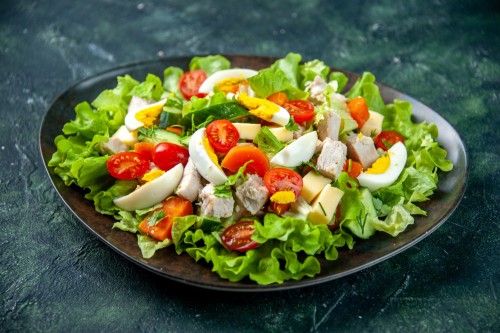
While many believe that salads are the key to shedding pounds and improving health, they often overlook the importance of a balanced diet. Salads are indeed packed with fiber, vitamins, and minerals, yet depending solely on them might lead to a deficiency in other crucial nutrients. Healthful eating isn’t merely about slashing calories; it’s about maintaining nutritional equilibrium.
A meal consisting solely of raw vegetables like cucumber, tomato, and lettuce might be low in calories but often falls short in providing sufficient protein, healthy fats, and complex carbohydrates. These elements are vital for sustaining energy, promoting muscle health, and ensuring proper bodily functions. In contrast, traditional Indian meals naturally offer a well-rounded mix of nutrients. A typical meal featuring dal, roti or rice, vegetables, curd, and a small serving of salad delivers a comprehensive array of protein, fiber, carbohydrates, vitamins, minerals, and beneficial bacteria, presenting a more complete nutritional profile than just a salad.
For some individuals, raw vegetables may not always be the ideal choice. Those with digestive troubles, bloating, irritable bowel syndrome (IBS), or certain thyroid conditions might find that lightly cooked vegetables are easier to process. Additionally, cooking can enhance the absorption of certain nutrients. Adapting to seasonal eating habits is also crucial for maintaining nutritional health. In the warmer months, hydrating foods like cucumber, watermelon, curd, and coconut water are beneficial, whereas in colder seasons, dishes such as lentils, soups, millets, and cooked vegetables offer warmth, energy, and nutritional support.
To enhance the nutritional value of meals, salads can be complemented with protein-rich foods like paneer, sprouts, eggs, tofu, beans, or grilled chicken. Including whole grains such as roti, brown rice, or millets can further boost the meal’s nutritional profile. Simple traditional dishes such as vegetable khichdi, dal with rice, millet rotis with vegetables, vegetable upma, and roasted vegetables served with curd are nutritious choices that contribute to a balanced diet.
Ultimately, healthy eating is not about jumping onto every new diet trend. A balanced plate that incorporates vegetables, protein, healthy carbohydrates, good fats, and seasonal ingredients provides a more practical and sustainable approach to supporting long-term health.