For a brief, surreal moment at the 98th Academy Awards, a major Oscar was announced and nobody walked forward to accept it. That was the scene when Sean Penn was named Best Supporting Actor for One Battle After Another, a Paul Thomas Anderson film that was already the talk of the evening. Presenter Kieran Culkin filled the void with characteristic humor, accepting on Penn’s behalf and offering a tongue-in-cheek explanation for the actor’s absence.
Penn’s win gave him a historic third Oscar, tying him with Jack Nicholson, Daniel Day-Lewis, and Walter Brennan for the most acting awards won by a man in Academy history. It was a result that even many of Penn’s supporters may not have anticipated, given the competitive nature of the Best Supporting Actor category. His previous wins were for Best Actor in Mystic River in 2004 and Milk in 2009.
In One Battle After Another, Penn delivers a ferocious and controlled performance as a military officer driven to extremes by his own rigid beliefs. Paul Thomas Anderson’s direction received equal praise, and he took home two Oscars for the night — Adapted Screenplay and Best Director — becoming a double winner for the first time. The film’s success across multiple categories marked it as the defining work of the awards season.
Conan O’Brien presided over the ceremony with a balance of humor and genuine feeling. His comments about AI potentially replacing human hosts were particularly well-received, touching on a subject that has dominated Hollywood conversation in recent years. The international diversity of the nominees was another theme O’Brien highlighted, reflecting the global state of modern filmmaking.
Leonardo DiCaprio was denied Best Actor, losing to Michael B. Jordan for Sinners. The night will be recalled for its big moments and bigger absences — none more memorable than the empty podium where Sean Penn should have been standing.
Sean Penn’s Third Oscar Arrival: A Stage Without Its Winner
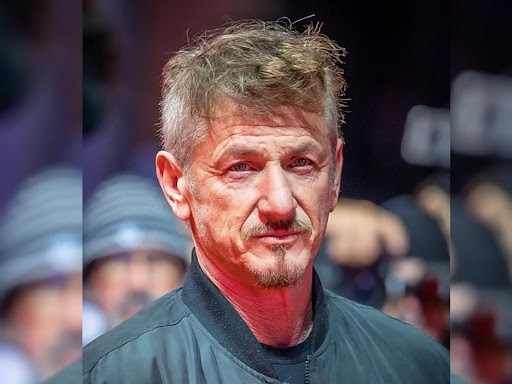
Photo by Harald Krichel / Wikimedia Commons (CC BY-SA 3.0)
27