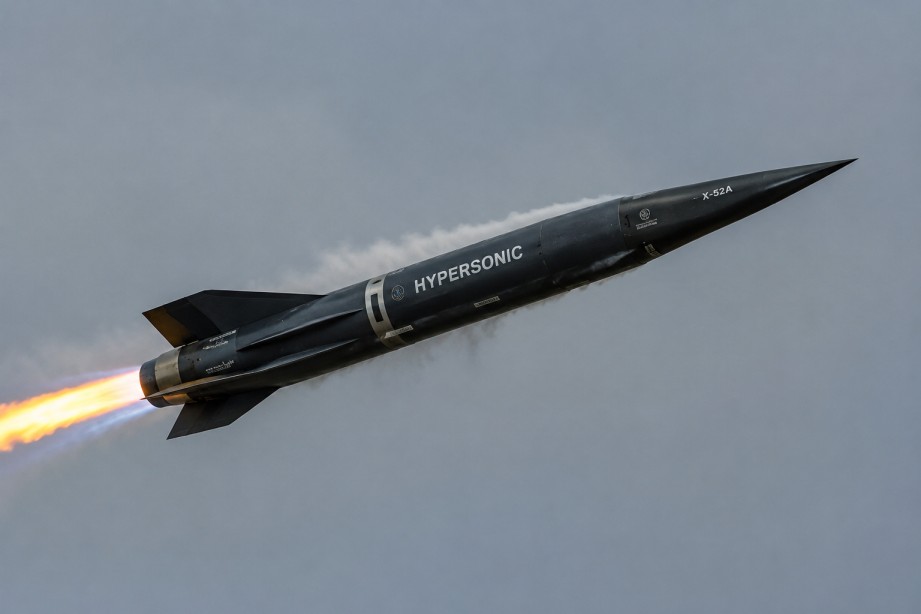
In a significant escalation of the conflict, Russia executed a large-scale missile and drone offensive against Kyiv and its surrounding areas, marking the third deployment of its hypersonic Oreshnik ballistic missile in the ongoing war with Ukraine. This offensive resulted in the deaths of at least four individuals and left approximately 100 others injured, as reported by Ukrainian officials.
The strikes, as described by Ukrainian President Volodymyr Zelenskyy, were concentrated on the capital city of Kyiv and the nearby city of Bila Tserkva. The barrage inflicted damage on residential areas, educational institutions, a water treatment facility, government buildings, and a bustling market, leading to fires across multiple districts.
During the overnight assault, Ukraine claimed that Russia launched close to 600 drones and 90 missiles, including a significant number of ballistic missiles. While Ukrainian defense systems managed to intercept many of these, several missiles hit central Kyiv, causing extensive damage. Russia later confirmed the use of the Oreshnik missile, along with other sophisticated missile systems, asserting that the strikes were aimed at Ukrainian military installations as a reprisal for alleged Ukrainian incursions into Russian-held territory.
Kyiv’s Mayor, Vitali Klitschko, reported widespread damage across every district of the city, with emergency teams working to rescue individuals trapped in shelters and to douse fires ignited by the explosions. The attacks also inflicted damage on cultural sites such as Ukraine’s National Art Museum and sections of the foreign ministry building, with Ukrainian officials condemning these as deliberate strikes on civilian infrastructure and cultural landmarks.
European leaders expressed strong disapproval of the assault, with French President Emmanuel Macron labeling the deployment of the Oreshnik missile as a dangerous escalation and German Chancellor Friedrich Merz criticizing it as reckless. The European Union accused Russia of employing terror tactics against civilians. The Oreshnik missile, introduced by Russia in late 2024, is capable of delivering both nuclear and conventional payloads at hypersonic speeds. While Russian President Vladimir Putin has asserted its near-immunity to interception, Western analysts have questioned some aspects of these claims. This attack follows closely on the heels of Putin’s warnings of retaliation for purported Ukrainian drone attacks in Russian-occupied territories.