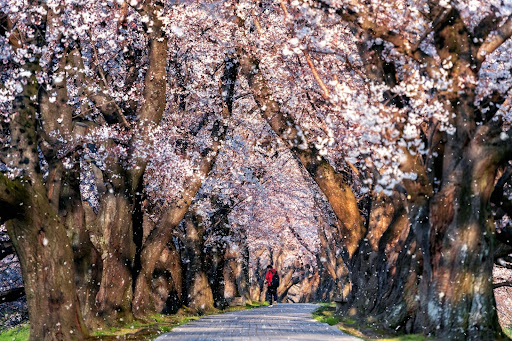
India’s most beloved hill stations and mountain valleys are currently in the midst of their most beautiful season, with cherry, plum, peach, and apricot blossoms transforming landscapes from Himachal Pradesh to Meghalaya. This seasonal flowering phenomenon, which has historically been associated almost exclusively with Japan, is drawing increasing attention from Indian travelers who are discovering that world-class blossom experiences exist in their own country. The current season is particularly vibrant, making this an exceptional time to explore these destinations.
Himachal Pradesh’s Kullu Valley is home to some of the country’s most spectacular blossom orchards, particularly in the village of Dobhi where fruit trees deliver a sequential flowering display each spring. The bloom begins with apricot and peach trees displaying pink flowers, followed by the white plum blossoms that local residents and visiting travelers consistently describe as the most beautiful of the season. Apple blossoms follow approximately five to seven days later, extending the flowering season and rewarding travelers who can spend extended time in the valley.
In Uttarakhand, the Kasar Devi area of Almora is gaining recognition as one of the most beautiful and undervisited blossom destinations in the Himalayan foothills. Wild Himalayan cherry and peach blossoms appear between late February and March, filling the landscape with delicate flowers that frame dramatic mountain views. The area is accessible from Pantnagar Airport, approximately 115 to 120 kilometers away, making it a practical destination for travelers arriving from major Indian cities.
Srinagar in Jammu and Kashmir is the flagship of India’s blossom destinations, with its famous Mughal gardens and Dal Lake setting providing a backdrop of incomparable beauty for the late March to early April cherry blossom season. The Indira Gandhi Memorial Tulip Garden and Badamwari Garden are among the most visited blossom venues in the country, while informal spots along Dal Lake offer a more intimate and locally authentic blossom viewing experience.
Ladakh and Shillong complete India’s blossom hill station story at its most dramatic extremes. Ladakh’s Nubra Valley offers apricot blossoms amid high-altitude desert landscapes in April and May, creating a visual contrast unique in the world of blossom tourism. Shillong’s cherry blossom festival in November is India’s only autumn flowering event, transforming the Khasi Hills into a landscape of pink and white that travelers describe as one of the most surreal natural sights in the entire country.
India’s Hill Stations Are Blooming: Here’s Everything You Need to Know
Picture Credit: www.freepik.com
25